Residential Land Development: A Comprehensive Overview
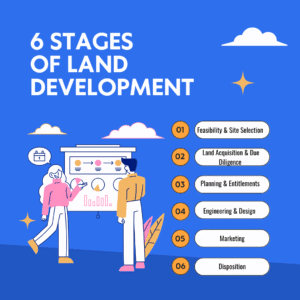
Residential land development is the process of transforming raw or underutilized land into livable residential communities. It involves a series of coordinated steps that bring together planning, engineering, legal processes, and construction to create subdivisions, apartment complexes, or housing estates. The development journey typically begins with site selection and acquisition. Developers look for land in strategic locations with access to essential infrastructure such as roads, water, and electricity. Factors such as zoning regulations, market demand, and environmental conditions also influence site selection.
Once suitable land is secured, a feasibility study is conducted to assess whether the project is financially and logistically viable. This study evaluates market conditions, construction costs, expected returns, regulatory hurdles, and environmental impact. Developers often work with urban planners and civil engineers to design a site layout that complies with local zoning laws and maximizes land use efficiency. The proposed design may include lot sizes, road networks, open spaces, and utility connections.
Residential Zoning and Permitting:
Residential development often involves public hearings and working closely with local planning commissions or municipal councils. At the same time, developers seek various permits related to construction, environmental protection, water usage, sewage, and traffic impact. Meeting these regulatory requirements can be time-consuming, but they are crucial to obtaining legal approval to proceed with the project.
Residential Environmental Assessments:
Land developers must evaluate potential impacts on soil, water sources, vegetation, and local wildlife. In some cases, mitigation measures such as stormwater management systems, green spaces, or conservation easements are required. Once all approvals are in place, site preparation begins. It includes clearing vegetation, grading the land, and installing essential infrastructure like roads, drainage systems, sewer lines, and utility networks. These elements form the backbone of any residential development and must meet specific engineering and safety standards.
Developers may sell individual lots to homebuilders or proceed with vertical construction themselves. In planned communities, developers often include amenities like parks, playgrounds, sidewalks, and even community centers to enhance the appeal of the neighborhood.
Throughout the process, effective project management is essential to stay on schedule and within budget. Developers must coordinate with architects, contractors, surveyors, financial institutions, and government agencies to ensure the project moves forward smoothly.
Conclusion
Residential land development is a multifaceted process that blends vision with execution. IT is supporting economic growth. Success in this field depends on thorough planning, regulatory compliance, environmental stewardship, and a deep understanding of market trends and community needs.